How to Wear a Watch: Which Wrist, How Tight and What to Match
By Robert · · 7 min read
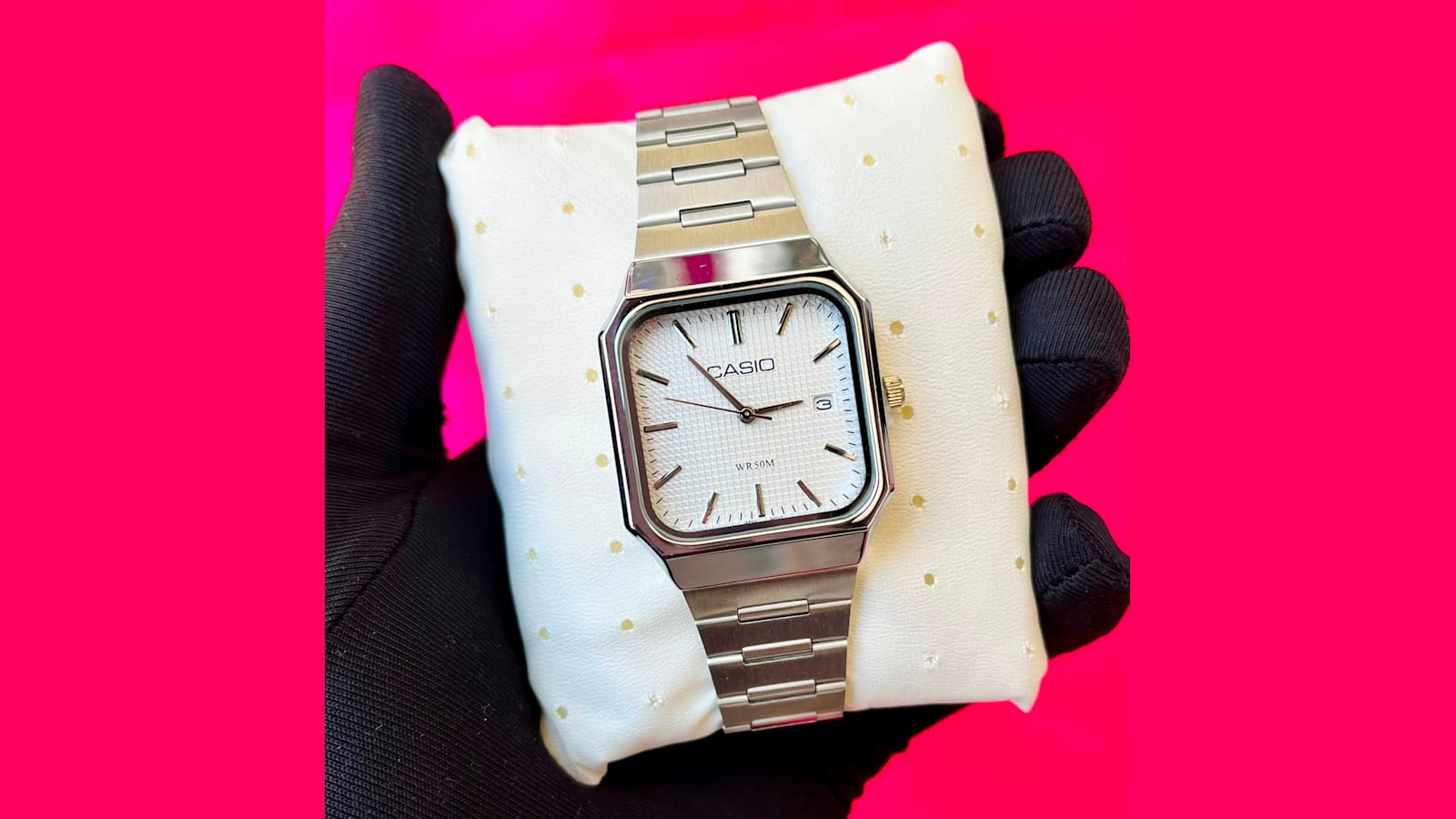
Knowing how to wear a watch makes even an affordable watch look expensive. Get the wrist, position and fit right and it sits comfortably all day. Get them wrong and it slides around, digs in or catches on your cuff. This guide is for men and women who have just bought a new watch, or are about to, and want it to look and feel right. It answers which wrist to wear it on, how tight it should be, where it should sit, and how to match it to what you are wearing in Kenya.
Which wrist should you wear a watch on?
Traditionally, you wear a watch on your non-dominant wrist. If you are right-handed, that means your left wrist. If you are left-handed, your right.
There are practical reasons for this:
- Fewer knocks. Your dominant hand does most of the work, so a watch on the other wrist gets fewer scratches and bumps.
- Easier writing. A watch on your writing hand rubs on paper and desks.
- Easier setting. Most watches have the crown on the right side of the case, designed to be turned with your right hand while the watch is on your left wrist.
That said, there is no strict rule. Many left-handed people wear their watch on the left wrist simply because watches are designed that way, and plenty of people wear one on whichever wrist feels comfortable. Choose what works for you.
Which wrist for a smartwatch?
The same advice applies, but check the app settings. Most smartwatches let you choose which wrist you wear them on, so that raise-to-wake and step counting work properly. Our guide on how to connect a smartwatch to your phone covers the setup.
Where on the wrist should a watch sit?
The classic position is just above the wrist bone (the bump on the outside of your wrist), on the side towards your elbow. Sitting there, the watch:
- stays put when you bend your wrist,
- slides neatly under a shirt cuff,
- doesn't press on the bone.
Some people prefer to wear a watch a little looser so it sits on or just below the wrist bone. That is a style choice and works best with casual outfits and lighter watches.
How tight should a watch be?
A watch should be snug but not tight. A simple test: you should be able to slide one finger between the strap and your wrist.
- Too loose: the watch slides around, spins to the underside of your wrist and gets knocked more.
- Too tight: it leaves marks, feels hot and sweaty, and can be uncomfortable after a long day.
Getting the fit right by strap type
- Leather and fabric straps: use the buckle holes. If you are between holes, choose the slightly looser one for comfort.
- Steel bracelets: fitted by removing links. Most bracelets also have micro-adjustment holes in the clasp for fine-tuning. Our watch strap size guide explains how bracelets are adjusted.
- Mesh straps: many slide and lock at any length, which makes them the easiest to get exactly right.
- Smartwatches: wear them slightly snugger and a finger's width above the wrist bone, so the heart-rate sensor stays in contact with your skin.
Why your watch feels tighter in the afternoon
Wrists swell slightly in heat and after activity. A watch that feels perfect on a cool Nairobi morning can feel tight by mid-afternoon, or on a hot day in Mombasa. If you are adjusting a bracelet, do it later in the day, or leave a little room.
Choosing a watch size that suits your wrist
Fit isn't only about the strap. A case that is too big overhangs your wrist and a very small one can look lost. As a rough guide, men's watches commonly range from about 38 mm to 44 mm and women's from about 26 mm to 36 mm, but the right size depends on your wrist. Our watch size guide shows you how to measure your wrist in two minutes and find your size.
Square and rectangular watches look bigger than round ones of the same width, so if you like that shape, read our guide to square watches for men.
How to match a watch to your outfit
For the office and formal events
- Choose a simple dial and a slim case that slides under your shirt cuff.
- Match your leathers: black strap with black shoes and belt, brown with brown.
- Match your metals: a silver-tone watch with a silver belt buckle, gold-tone with gold.
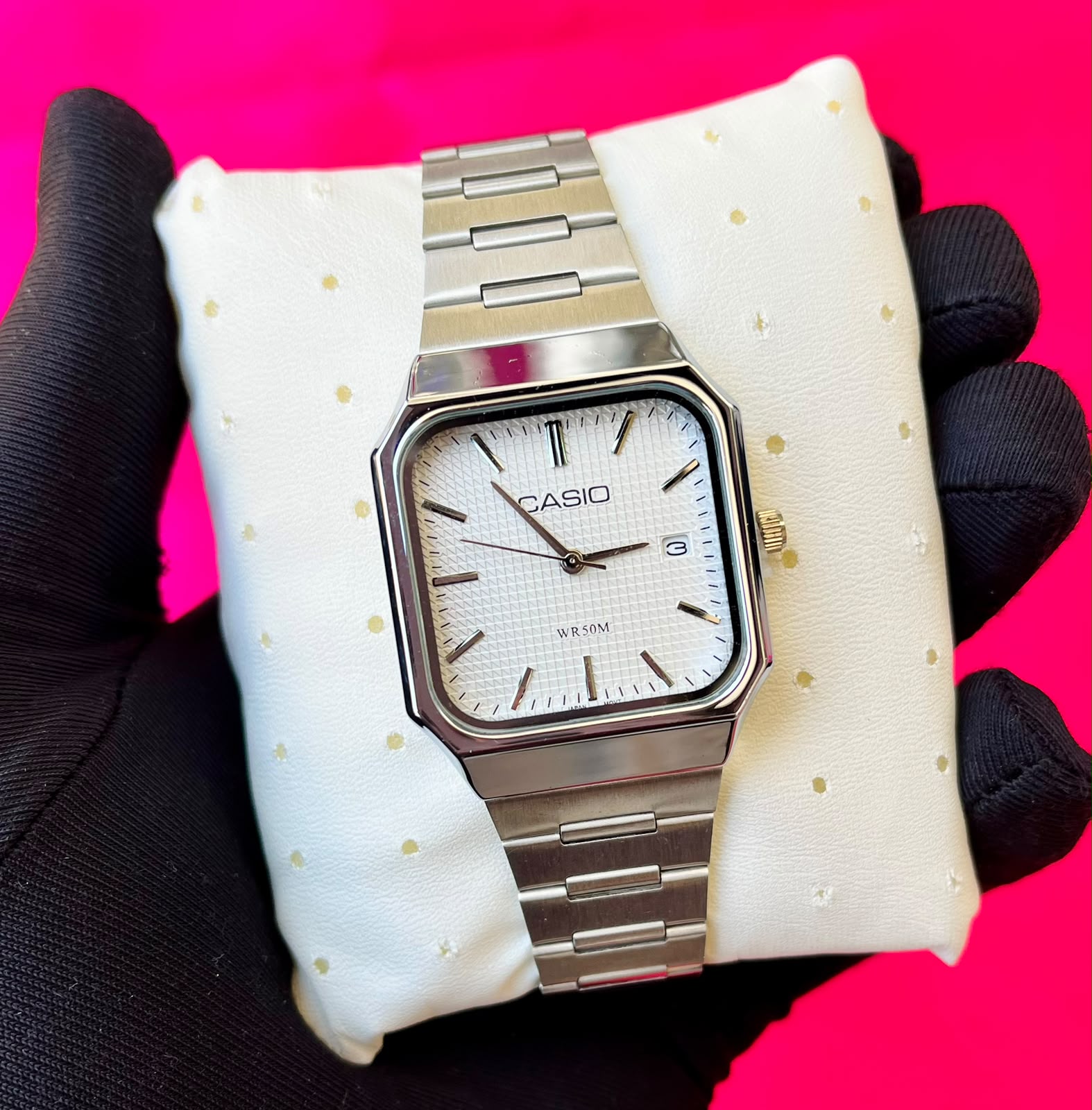
The Casio Analog (KSh 3,499) is a good example of a formal watch: a rectangular stainless steel case that, according to its product page, is only 7.3 mm thick. See more ideas in our guide to executive watches for men.
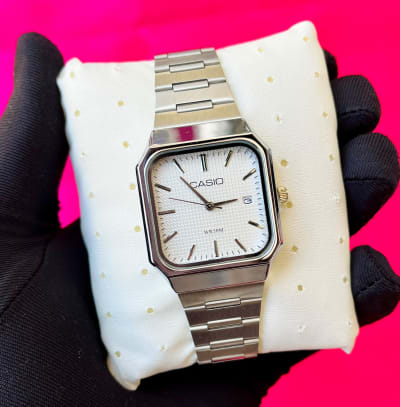 CASIO ANALOGKSh 3,499
For weekends and casual wear
Almost anything goes. Leather, fabric, silicone and bold dials all work. This is where a sporty chronograph or a digital watch comes into its own. Browse our guide to leather watches for men for relaxed brown-leather options.
For women
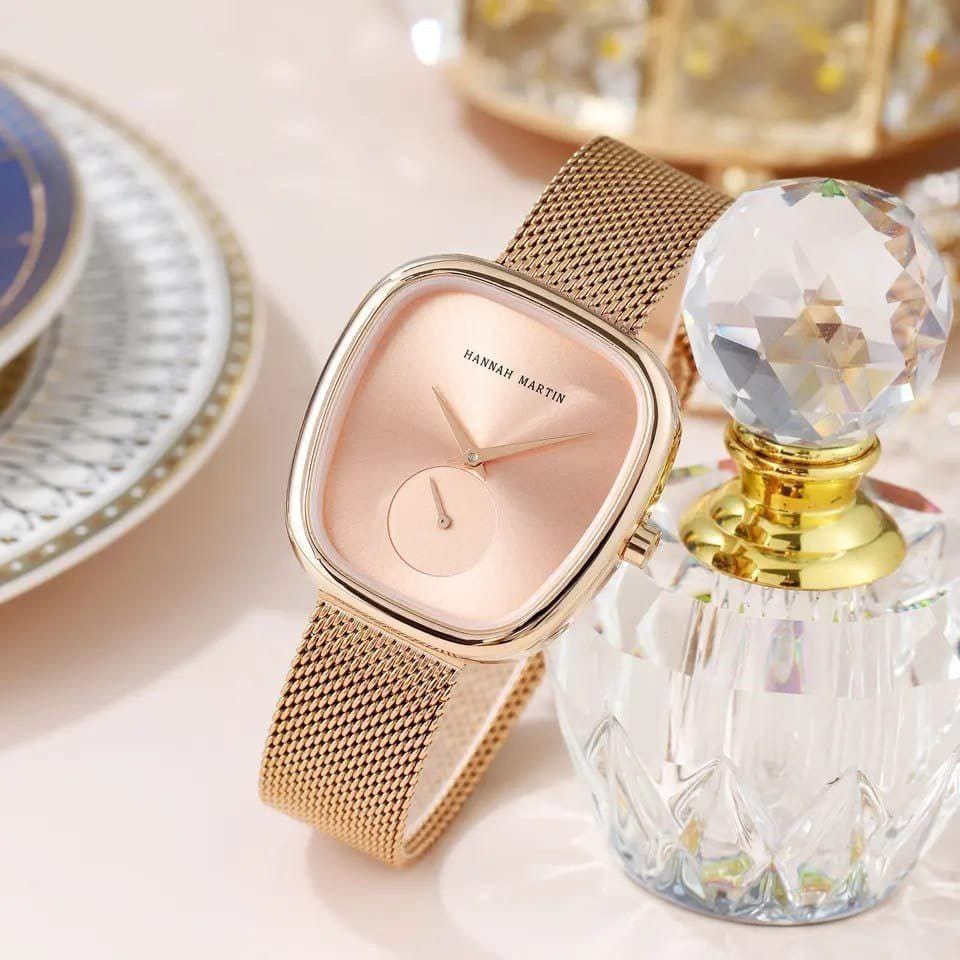
Ladies' watches are often worn a little looser, like a bracelet, especially on a slim wrist. A watch can also be stacked with bracelets on the same wrist: keep the metals consistent and put softer bracelets next to the watch to avoid scratching it. Mesh straps are especially easy to fit. The Hannah Martin Ladies 1251 (KSh 3,499) has a self-adjustable stainless steel mesh strap. For more styles, see our ladies' watches guide.
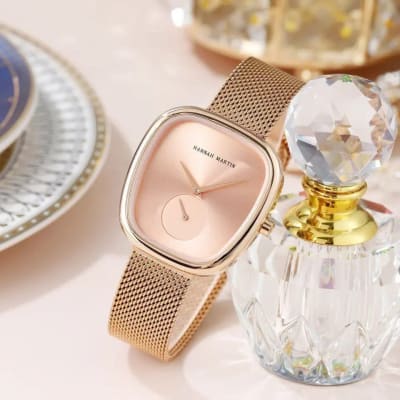 HANNAH MARTIN LADIES 1251KSh 3,499
For the gym and sport
Wear a lighter watch on a silicone or fabric strap, or a smartwatch. Take a leather watch off before you work out, since sweat damages leather.
Everyday habits that keep your watch looking new
- Take it off at night. It gives your skin and the strap a chance to breathe.
- Take it off for heavy work, such as lifting, gardening or fixing the car.
- Keep leather dry, and don't press any buttons when the watch is wet.
- Wipe it down weekly. Sweat and dust build up under the clasp. Our guide on how to clean a watch at home explains how for each strap type.
Frequently asked questions
Which hand should a man wear a watch on?
Most men wear a watch on their non-dominant hand, so the left wrist if you are right-handed. It protects the watch from knocks and makes the crown easy to reach with your other hand. Left-handed men often wear it on the right wrist, but either choice is fine. Comfort matters more than tradition.
Which hand should a woman wear a watch on?
The same as men: usually the non-dominant wrist, which is the left for most people. There is no separate rule for women. Many women wear a watch on the left and stack bracelets on the same or the opposite wrist. Wear it wherever it feels comfortable and suits your jewellery.
How do I know if my watch fits correctly?
You should be able to slide one finger between the strap and your wrist. The watch should stay just above your wrist bone without sliding over your hand, and it should not leave deep marks or feel hot. If the case overhangs the sides of your wrist, the watch is too big for you.
Should a watch be worn above or below the wrist bone?
The classic position is just above the wrist bone, towards your elbow. It keeps the watch stable, comfortable and easy to slip under a cuff. Wearing it a little looser, resting on the wrist bone, is a relaxed style choice. Below the wrist bone, the watch will slide onto your hand and get knocked.
Find a watch that fits you
Browse our men's watches and women's watches. You can buy on WhatsApp or pay on delivery from any product page. Need a new strap, a clasp repair or a fresh battery? Call or WhatsApp +254 712 682 426, or visit our watch repairs service in Nairobi.